Professional fitness instructors play a central function in assisting individuals enhance physical fitness, health, and general quality of life. Their duties extend past creating workout programs and guiding movement techniques. Trainers frequently interact directly with clients who have varying medical backgrounds, physical abilities, and risk factors. Because physical activity can put stress on the human body, unexpected incidents such as acute physical injuries, loss of consciousness, or heart-related emergencies can occur unexpectedly. For this reason, proper CPR and first aid training is a critical element of professional fitness instruction and promotes a more secure exercise environment.
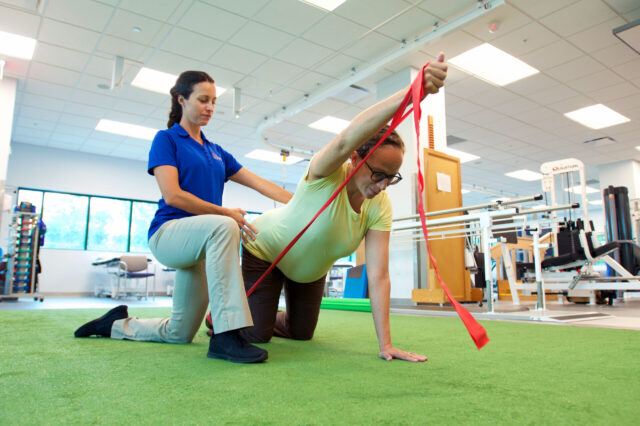
CPR and first aid training provide personal trainers with the understanding and skills required to respond quickly and appropriately during emergencies. CPR methods are intended to maintain circulatory function and breathing during heart failure until emergency responders take over. First aid education includes immediate response actions such as treating minor wounds, handling muscle strains, recognizing signs of heat-related illness, and reacting to airway blockages. These critical skills allow trainers to remain calm and ready when confronted with unplanned events in gyms, studios, or open exercise environments.
Enhanced participant protection is shoulder dislocation treatment one of the primary outcomes of proper emergency care instruction. When trainers are trained in CPR and first aid, clients can remain more confident and safe during training activities. This feeling of safety supports trust, which is essential in the professional coaching relationship. Knowing that a trainer is trained in emergency response also encourages participants to challenge themselves responsibly, knowing that potential dangers are being controlled by a competent individual who understands injury prevention and urgent response.
From a professional standpoint, CPR and first aid certification also strengthen the credibility of personal trainers. Many fitness organizations and training facilities require up-to-date certification as a component of employment standards. Emergency preparedness demonstrates professionalism, accountability, and commitment to participant safety. Trainers who keep these skills show that they prioritize safety alongside performance and physical outcomes. This can increase career opportunities, industry image, and ongoing participant loyalty.
Incorporating core emergency care education into the ongoing education of fitness professionals supports more secure More from the author training settings and better outcomes for participants. Emergency response knowledge supports fitness science, physical conditioning, and coaching skills. By being prepared for medical incidents and injuries, trainers add to higher safety standards within the health and wellness field. Ultimately, empowering personal trainers with emergency response skills results in improved client safety and a more secure, supportive method to exercise programming.